There are bright spots in the continuous recovery of multi-field data. China’s economy is improving, and its consolidation momentum continues to increase.
CCTV News:According to the latest data released by China Business Federation, in May, the prosperity index of China’s retail industry was 50.9%, up 0.5 percentage points from the previous month and increasing for two consecutive months.
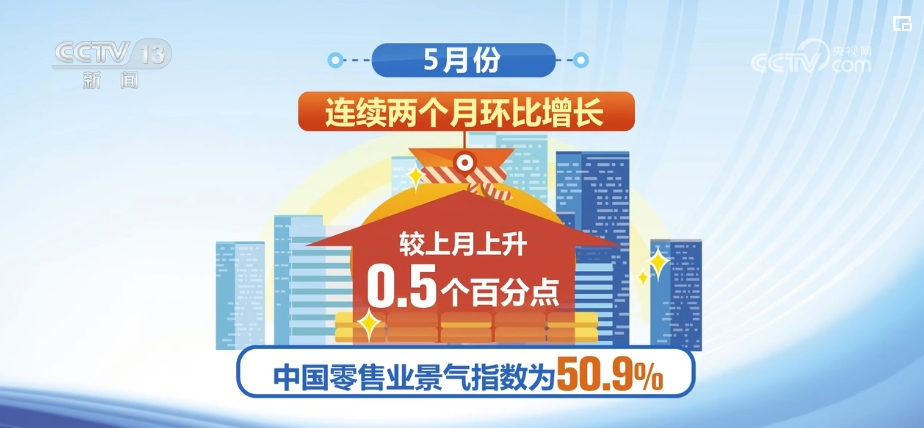
From the perspective of industry classification, the commodity management index was 50.5%, up 0.2 percentage points from last month; The leasing business index was 52.6%, up 2.4 percentage points from last month; The total physical sales index of e-commerce business was 51.8%, up 1.3 percentage points from last month.
In May, the retail industry as a whole showed a continuous upward trend.
Data analysis shows that the retail industry as a whole showed a continuous upward trend in May due to the obvious pulling effect of holiday consumption on May 1.

The passenger flow in the offline commodity sales market has increased significantly, the number of leasing enterprises has been increasing, and the pressure on operating costs has dropped. Leasing enterprises’ expectations for investment promotion and operation in May have continued to improve, and online retail enterprises’ sales growth is expected to be good.


Chen Xi, an associate researcher at the Macroeconomic Research Institute of the National Development and Reform Commission, said that with the continuous implementation of various policies and measures to promote consumption and the coordinated development of online and offline consumption, the consumption potential will be further released. In the future, the retail market is expected to achieve steady growth, and the basic role of consumption in driving China’s economic growth will continue to increase.
In April, the China SME Development Index continued to rise.
China Small and Medium Enterprises Association released it on May 9th. In April, the development index of small and medium-sized enterprises in China was 89.4, up 0.1 point from last month, which was the second consecutive month that the development index of small and medium-sized enterprises in China rebounded.

Ma Bin, executive vice president of China Small and Medium Enterprises Association, said that in the first four months of 2024, the development index of small and medium-sized enterprises generally showed an upward trend, the production of small and medium-sized enterprises continued to recover, and the operating rate continued to rise. In April, the proportion of enterprises with an operating rate of over 75% was close to 70%, which was greatly improved compared with previous years. Especially in April, the SME development index reached a new high since September 2023.
The consumption potential is gradually released and the market of small and medium-sized enterprises is expected to improve.
According to the survey of China Small and Medium Enterprises Association, in April, the market consumption potential was gradually released, and the market expectation of small and medium-sized enterprises improved, driven by policies to stimulate consumption such as trade-in of consumer goods. In addition, the financing situation has also improved and the willingness of enterprises to invest has remained stable.
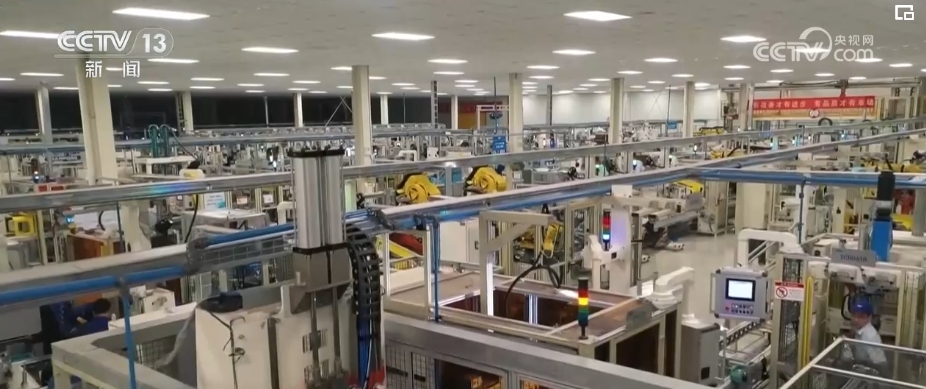
Ma Bin said that various localities have introduced implementation plans and operating rules for trade-in of consumer goods and automobiles, and various subsidies have attracted consumers to participate in the exchange. The order volume of trade-in has increased, which has promoted the production and sales of SMEs to improve. Different from the previous index rise mainly driven by industrial rise, the index rise in April was mainly driven by the recovery of service industry, indicating that the recovery of service industry is becoming an important factor driving the recovery of SME development index.
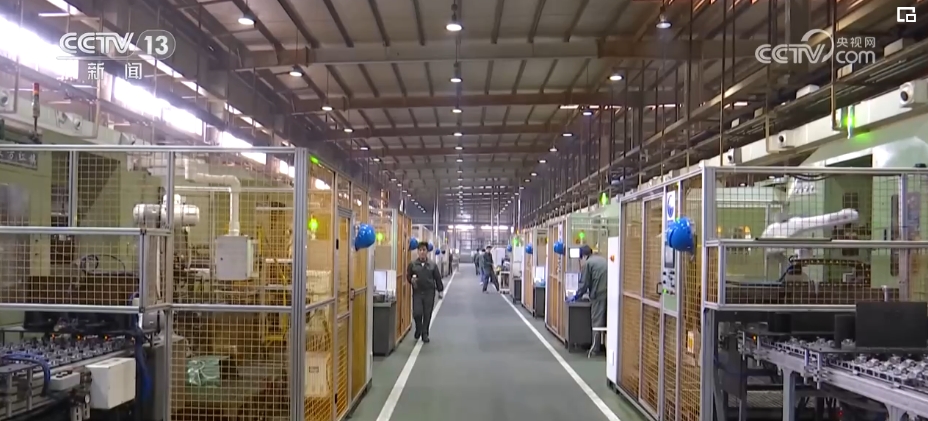
China Small and Medium Enterprises Association also believes that at present, small and medium-sized enterprises still face weak demand, high cost and arrears of accounts receivable. In the next step, we need to strengthen innovation ability, accelerate transformation and upgrading, and accelerate the development in a new direction of specialization.
In April, China e-commerce logistics index was 113.2 points, and e-commerce logistics continued to develop steadily.
China Federation of Logistics and Purchasing announced the logistics index of China e-commerce in April on May 8th. The e-commerce logistics index rose for two consecutive months, among which the rural e-commerce logistics business volume increased rapidly year-on-year.
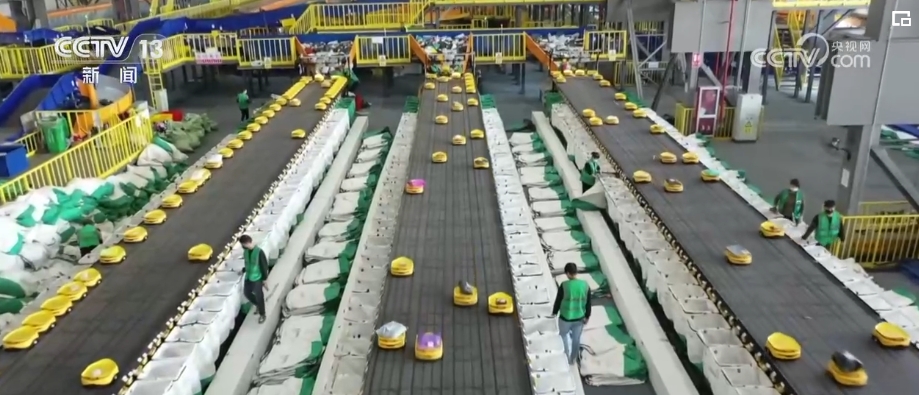
In April, the e-commerce logistics index of China was 113.2 points, up 0.7 points from the previous month, and exceeded 113 points for the first time since December 2019. Among the sub-indices, the total business volume index, logistics timeliness index, performance rate index, satisfaction rate index, personnel index and actual load rate index all increased compared with last month.
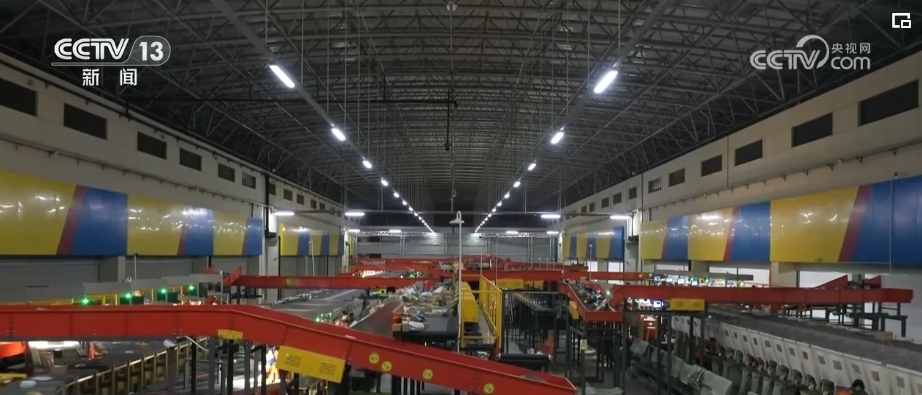
Specifically, in April, the total business volume index of e-commerce logistics was 127.7 points, an increase of 1.3 points over the previous month. In terms of regions, the total business volume index in the eastern, central and northeastern regions has increased, with the northeast region having the largest increase.

In April, the index of rural e-commerce logistics business volume was 127.9 points, 0.2 points higher than last month and more than 25% higher than the same period in 2023. In terms of regions, the rural business volume index in the central and northeastern regions has improved, and the central region is higher than the national average.

Cai Jin, vice president of China Federation of Logistics and Purchasing, said that the data of e-commerce logistics, which is closely related to the people, has rebounded significantly. The development of e-commerce logistics provides a broader consumption scene for ordinary people and improves the quality and level of residents’ consumption.
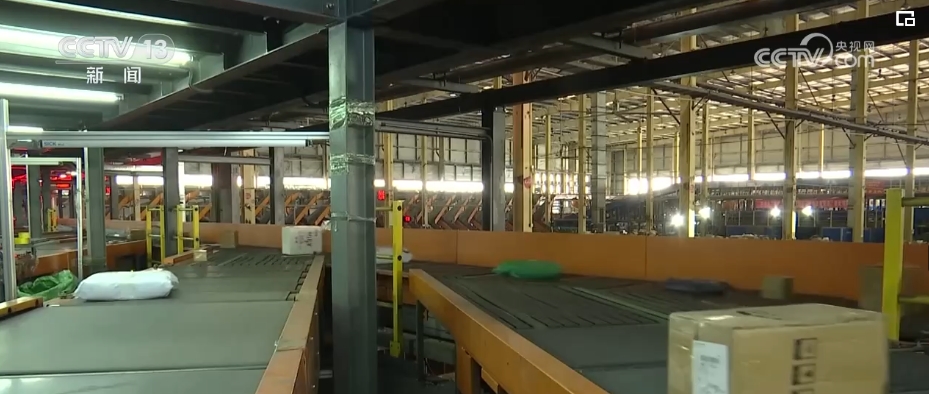
In April, the logistics timeliness index was 101.2 points, 1.4 points higher than last month, rising for two consecutive months and returning to more than 100 points after a lapse of five months. The supply timeliness and business volume of enterprises showed a double growth situation, laying a good foundation for the second quarter of the e-commerce logistics market.