Experts’ Interpretation: Working with the international community to control the environmental problems of new pollutants

  New pollutants endanger the ecological environment and human health, which is one of the global environmental problems. The CPC Central Committee and the State Council attached great importance to the treatment of new pollutants. Recently, the General Office of the State Council issued the Action Plan for the Treatment of New Pollutants (Guo Ban Fa [2022] No.15, referred to as the Action Plan), which pointed out the direction for the treatment of new pollutants in the future. The Action Plan embodies China’s idea of actively participating in global environmental governance, which is of great significance for building a beautiful China and building a community of life on earth.

  First, new pollutants are a common challenge facing the world.
  The environmental risk of new pollutants is an environmental problem faced by all countries in the world. The new pollutants mainly come from synthetic chemicals. DDT revealed by Silent Spring is one of the chemicals with typical new pollutant characteristics, and its harm spans half a century and involves every corner of the world. In order to protect the ecological environment and human health, developed countries such as Europe, America and Japan have been legislating to control the environmental risks of toxic and harmful chemicals since the 1970s. In 1992, Agenda 21 of Rio Conference on Environment and Development in Brazil defined the plan to reduce the global environmental risks related to chemicals, and then the world gradually took action and controlled some new pollutants with long-distance migration that may cause environmental and health hazards to the world. Among the 17 sustainable development goals for 2030 reached by the United Nations in 2015, Goals 3, 6 and 12 all involve the treatment of new pollutants, such as drastically reducing the number of deaths and illnesses caused by toxic and harmful chemicals and air, water and soil pollution by 2030.
  The treatment of some new pollutants needs global action. Besides being persistent, bioaccumulative, carcinogenic and teratogenic, some new pollutants also have the potential of long-distance migration, which can migrate across international boundaries with air, water or migratory species and be deposited in areas far away from their discharge points, causing worldwide environmental pollution problems. The treatment of such new pollutants requires global joint action. Therefore, the international community adopted the Stockholm Convention on Persistent Organic Pollutants in 2001. At present, there are 30 categories of persistent organic pollutants controlled by Stockholm Convention. Through global action, more than ten kinds of production and use have been eliminated all over the world.
  Second, controlling new pollutants will be a long-term task.
  New pollutants cover a wide range and are closely related to economic development and production and life. China is a big producer and exporter of chemicals. According to UNEP’s Global Chemicals Outlook, China’s chemical sales accounted for 37.2% of the world’s total in 2017, and it is expected to reach 50% of the world’s total in 2030. China is the main producer of chemicals newly listed in Stockholm Convention and under evaluation, such as short-chain chlorinated paraffin, decabromodiphenyl ether, DechloranePlus, chlorpyrifos and ultraviolet absorber (UV-328). These chemicals are consumed and used in many industries, and some chemicals are closely related to necessities such as agricultural production, daily necessities, semiconductors, aerospace products, etc. For example, the annual production scale of short-chain chlorinated paraffins can reach millions of tons, and chlorpyrifos is related to agricultural production and food security. However, it is difficult to develop their substitutes, and there may be conflicts in availability, performance, cost, environment and safety, so it is difficult to achieve perfection, which brings great challenges to the control of new pollutants in the future.
  One of the greater challenges to control new pollutants is to identify, evaluate and control the chemicals being produced and used. Both the Toxic Substances Control Act of the United States and the Regulation of Registration, Evaluation, Licensing and Restriction of Chemicals of the European Union have been faced with huge data and research and evaluation needs since their implementation, and have not fully achieved the control objectives of the original design regulations on new pollutants. At the level of international conventions, the Stockholm Convention only added 18 categories of persistent organic pollutants in 17 years. China is one of the countries with the richest types of chemicals. The existing chemical list includes more than 40,000 kinds, and nearly 100 new chemicals are listed every year. Limited research information shows that according to the screening criteria of Stockholm Convention, there are more than 100 chemicals in the above list that meet the screening criteria of persistence and bioaccumulation at the same time, and these hundreds of chemicals are potential new pollutants that need to be controlled. Although the contribution of China’s research results has been increasing in the process of adding new controlled substances to the Stockholm Convention, China still needs to carry out a large number of data surveys, environmental monitoring, environmental risk assessment and control in the future, and increase the pace of controlling the environmental risks of new pollutants.
  To sum up, new pollutants involve substitution and emission reduction, large industrial scale and long industrial chain, and are closely related to industrial and agricultural production and life. Protecting the ecological environment and human health and balancing the needs of economic development is an important basis for formulating and implementing new pollutant control programs. The identification and assessment of new pollutants that potentially need to be controlled depends on data investigation, a large number of scientific research results, environmental risk assessment and socio-economic impact assessment of control. The task of controlling new pollutants requires all-round coordinated promotion, which is extremely arduous.
  Third, work with the international community to prevent environmental risks of new pollutants.
  As early as 2001, China and the international community jointly promoted the formulation of the Stockholm Convention, and started cooperation with the international community to jointly control new pollutants. In the past twenty years, China has eliminated the production, use and discharge of a large number of new pollutants, protecting the global ecological environment and human health. During the same period, the national economy grew rapidly, and the share of chemicals produced increased from about 5% in the world to 37.2% in 2017, making it one of the countries with the largest chemical production and the most varieties, and people’s lives have been improved. At the same time, China is also facing new challenges and pressures. With the progress of scientific cognition and the demand for higher quality of life, some chemicals that we used to think were harmless are gradually considered unsuitable for further production and use. By implementing the Action Plan, China will work with the international community to prevent the environmental risks of new pollutants.
  First, learn from the existing international convention mechanism and implement the control of new pollutants in accordance with international law. While perfecting China’s laws and regulations, establishing and perfecting the new pollutant control system, we should use the mechanism of international conventions to identify, evaluate and control the environmental risks of chemicals together with the international community, which will not only realize the control of new pollutants in China, but also promote the action of new pollutant control on a global scale, promote the green development of the global chemical industry and realize global environmental governance.
  The second is to increase the scientific and technological investment of the state and enterprises in the treatment of new pollutants, scientific decision-making, and precise control. Fully understanding the decision-making information such as scientific research is the foundation of controlling new pollutants, continuously increasing the scientific and technological investment of the state and enterprises in controlling new pollutants, mastering the source, fate, harm and control technology of potential new pollutants, making scientific decisions, and realizing accurate and effective control.
  The third is to make use of international scientific research and management experience, evaluate and screen out key new pollutants as soon as possible, and establish a mechanism to implement control. Actively carry out international cooperation, and make full use of global forces, especially scientific research and management experience, to promote and accelerate the screening of new pollutants and environmental risk management and control in China, in view of some potential new pollutants that may not meet the global migration attributes, in the case of insufficient research information in China. At the same time, learn from the financial mechanism of international conventions, and establish international, national, local and enterprise financial mechanisms to control new pollutants.
  Fourth, we will continue to help other developing countries strengthen their ability to control new pollutants, spread China’s knowledge and China’s experience, and prevent the transfer of new pollutants. As a developing country, China’s experience in the discovery, research and management of new pollutants may be suitable for other developing countries. China can continue to provide technical training and capacity building for developing countries, help other developing countries to prevent the transfer of new pollutants as products or wastes, and contribute China’s strength to building a life community on Earth.
  The new pollution control action reflects the historical responsibility of the CPC Central Committee to participate in, contribute to and lead global environmental governance, and will continue to contribute China’s plan, China’s wisdom and China’s strength to global environmental governance. The new pollution control action is also the need to build a beautiful China and maintain sustainable green chemistry and economic growth in China. Building a new pollution control system in China and protecting the earth’s homeland will help to realize the global pursuit of high-quality life, achieve the goal of sustainable development in 2030, realize the harmonious coexistence between man and nature, and build a community of life on earth.
  Author: Hu Jianxin (Professor, Peking University Institute of Environmental Science and Engineering)

During the epidemic season, it is recommended to actively vaccinate Covid-19 vaccine.

At present, it is the season of high incidence of respiratory diseases, and a variety of respiratory diseases are intertwined. A few days ago, National Health Commission held a press conference, calling on the masses to be active, proactive and vaccinated as soon as possible. On December 15th, the reporter interviewed experts from the Provincial Center for Disease Control and Prevention, and made an exclusive interview on vaccination related issues in Covid-19.

According to the experts of disease control, at present, the spread of Covid-19 among people still exists, and the whole country is in a sporadic state, and Covid-19 XBB mutant has become the main epidemic strain in China. A few days ago, in the "Work Plan for Vaccination of Covid-19 for Key Populations in the Near Future" issued by the Comprehensive Group of the State Council Joint Prevention and Control Mechanism, it was suggested that key populations such as the elderly should be vaccinated with Covid-19 vaccine according to conditions, and the vaccine containing XBB mutant antigen was recommended first. People who meet the following two conditions can be vaccinated:

a072e4f0b95a7d0ae6a402bd02d2ac62.jpeg

Si Yuan, deputy director of the Institute of Immunization Planning of the Provincial Center for Disease Control and Prevention, said: "First, the elderly aged 60 and above or the people aged 18 to 59 with serious basic diseases, people with low immune function and people with high risk of infection. Second, the basic immunization has been completed or Covid-19 has been infected. The preventive effect of vaccine can be divided into several levels, such as preventing infection, preventing illness, preventing severe illness and preventing death. At present, the effect of Covid-19 vaccine in preventing severe illness and death is very significant, which is also the main reason why vaccination is being promoted all over the world. "

At present, it has been nearly a year since the last round of large-scale Covid-19 infection in most people. The antibody level produced after infection or vaccination gradually decreases with time. At the same time, because of the immune escape caused by virus mutation, the risk of serious illness and death is high for high-risk groups such as the elderly and those with serious basic diseases. Therefore, it is suggested to reduce the disease harm through vaccination. In addition, the interval between vaccination in Covid-19 and other vaccinations is at least 14 days.

9fbe454e3be8828556980e68e359167b.jpeg

"Combined with the World Health Organization’s (WHO) recommendation on simultaneous vaccination of Covid-19 vaccine and influenza vaccine, according to China’s technical guidelines for influenza vaccine vaccination, people aged 18 and above can be vaccinated with inactivated influenza and Covid-19 vaccine at different parts at the same time. With regard to vaccination fees, the vaccination of Covid-19, a key population, is still carried out in accordance with the previous regulations, and the policy of free vaccination for residents and willingness to take it up is implemented. Influenza vaccine is a non-immunization program vaccine, and residents’ vaccination follows a voluntary and self-funded policy. "

(Contributed by: Shaanxi Guangdian Rong Media Group Starting Point News)

Does the Foreign Sanctions Law have an impact on foreign investment? Ministry of Foreign Affairs responded

  On June 11th, Foreign Ministry Spokesperson Wang Wenbin held a regular press conference. A reporter asked whether the spokesman was worried about the negative impact on foreign investment after the passage of the Foreign Sanctions Law.

  Wang Wenbin said that the Legal Affairs Committee of the National People’s Congress Standing Committee (NPCSC), China has introduced the relevant situation. Around the two sessions this year, some NPC deputies, Chinese People’s Political Consultative Conference members and people from all walks of life put forward opinions and suggestions that it is necessary for the state to formulate a special anti-foreign sanctions law to provide strong legal support and guarantee for China to counter foreign discriminatory measures according to law. According to the relevant work arrangement, the the National People’s Congress Standing Committee (NPCSC) Law Committee carefully studied the legislative suggestions put forward by various parties, summarized the counter-measures practice and related work practices in China, sorted out the relevant situation at home and abroad, solicited the opinions of relevant departments and experts of the central and state, and drafted and formed the draft of the anti-foreign sanctions law. According to the legislative procedure, China the National People’s Congress Standing Committee (NPCSC) deliberated the draft twice in April and June, respectively. The Law Working Committee solicited the opinions of the central and relevant state organs on the draft, and the Constitution and Law Committee of the National People’s Congress revised and improved the draft according to the deliberation opinions of the Standing Committee and opinions from all sides. At present, the Anti-Foreign Sanctions Law has fully absorbed opinions from all sides, reflected the common wishes of the people of China, and conformed to the basic norms of international law and international relations.

  Wang Wenbin pointed out that regarding the influence of the Anti-Foreign Sanctions Law on foreign investment, I don’t see an inevitable connection between the two. If there is, it is the enactment of the Foreign Sanctions Law, which provides a predictable legal environment and a stable and predictable business environment for enterprises from all countries to develop in China. At the 29th meeting of the 13th the National People’s Congress Standing Committee (NPCSC), the Hainan Free Trade Port Law and the Decision on Authorizing the Shanghai Municipal People’s Congress and its Standing Committee to Formulate Laws and Regulations of Pudong New Area were also passed, which are new measures for China to deepen reform and open wider to the outside world.

  Wang Wenbin emphasized that China has always welcomed and supported foreign enterprises to conduct business and cooperation in China and protect their rights and interests according to law. China will only open wider to the outside world, and we will continue to strive to create a better business environment for foreign enterprises and share China’s development opportunities with the world. (CCTV reporter Huang Huixin Kong Luyuan)

Data News: "Bawei" or the strongest typhoon landing in Northeast China in history?

  China Meteorological News reporter Su Jessie Wang Meili

  Expert Consultant: Zhou Guanbo, Senior Engineer of Central Meteorological Observatory

  This year’s No.8 typhoon "Bawei" was generated in the sea east of Taiwan Province at 8: 00 on August 22nd, and then it will land in the coastal areas from eastern Liaoning to western Korea on the morning of August 27th (typhoon level, 12-13, 33-38m/s). If it lands in Liaoning, "Bawei" may become the strongest typhoon that landed in Liaoning since 1949.

  Is it rare for a typhoon to land in Northeast China? What are the characteristics? Let’s find out from the typhoon big data since 1949.

  There has been no typhoon landing in Northeast China in recent 15 years.

  Among the typhoons (including tropical depression) that landed in China from 1949 to 2020, 13 landed in Northeast China, but no typhoon landed in Northeast China in the past 15 years since 2005.

  Of the 13 typhoons that landed in Northeast China, all landed in Liaoning. This is because only Liaoning has a coastline, and its geographical location directly determines that it is the most windy province among the three northeastern provinces.

  A typhoon that has landed in the northeast since 1949. Zhao Miao cartography

  Typhoons in the north are not uncommon, and most of them are "second-hand"

  In the 70 years since 1949, only one typhoon "Helen" landed in Northeast China with the intensity above tropical storm, and the other three landed in the form of tropical depression. "Helen" landed in zhuanghe city, Dalian, Liaoning Province on August 4, 1964. The maximum wind force in the center was 9, and the wind speed reached 23 meters per second.

  Because the typhoons going northward are mostly "second-hand" or "third-hand", in terms of intensity, they have basically exhausted their energy when they go northward, so the intensity of landing is generally at the tropical storm level, and some can reach the strong tropical storm level.

  Judging from the landing time, typhoons heading north are mostly concentrated in late July and August. This is mainly because the subtropical high is located in the south from June to July, and the typhoon path generated at this time is mostly westward; In August, the subtropical high moved northward, which was beneficial for the typhoon to move northward along the west side of the subtropical high after its formation, thus affecting the northeast region; After September, the subtropical high began to retreat to the south, and the probability of typhoon going north would be much reduced.

  Where did the typhoons go in August?Zhao Miao cartography

  A typhoon that does not land in the northeast can also "beat cattle" across the mountain.

  In addition to the typhoons that landed in Northeast China, there are also some typhoons that have brought great wind and rain impacts to Northeast China.

  In 2012, Typhoon No.15 "Blavin" moved mainly in the northwest in the early stage, and then moved mainly in the north direction after entering the northern part of the East China Sea. After landing in Korea, it entered Jilin and Heilongjiang in China on August 29th. On the way to the north, it was combined with cold air. From August 27 to 29, the rainfall in central Heilongjiang, central Jilin, central and eastern Liaoning and eastern Shandong Peninsula was 100 to 150 mm. Strong winds of magnitude 7 ~ 9 have also appeared in inland areas such as central and eastern Liaoning, central Jilin and central and eastern Heilongjiang.

Track Map of Typhoon Blavin No.15 in 2012

  On the afternoon of September 7, 2019, after the No.13 typhoon "Lingling" landed in North Korea as a typhoon, it moved into Jilin at 2100 hours as a tropical storm, and then quickly moved north. From September 6th to 8th, due to the influence of Lingling, heavy rain and local heavy rain occurred in the central and eastern parts of Northeast China. The local area of Lanxi, Heilongjiang Province was 233 mm, and the daily rainfall of 26 stations in Heilongjiang, Jilin and Liaoning exceeded the historical extreme in September since the establishment of the station. There are 7 ~ 9 gusts in Shandong Peninsula, northern Liaoning and Liaodong Peninsula, central and eastern Jilin and central and eastern Heilongjiang, and 10 ~ 13 gusts in northeastern Jilin and southeastern Heilongjiang.

Route Map of Typhoon Lingling No.13 in 2019

  In addition, Typhoon Winnie No.11 in 1997, Typhoon Lion Mountain No.10 in 2016 and Typhoon Wambia No.18 in 2018 also brought great influence to Northeast China.

  Typhoon heading north is easy to combine with cold air to cause heavy precipitation.

  Typhoon northward has obvious characteristics:

  First of all, as the typhoon moves northward, it may combine with cold air on the way northward, and the intersection of cold and warm air will cause heavy precipitation.

  Secondly, the northbound typhoon may go through a process of "degeneration". The "denaturation" mentioned here refers to changing the nature, and some northbound typhoons will change from tropical cyclones to temperate cyclones. During the northward movement of typhoon, it was influenced by cold air and the decrease of sea surface water temperature, and its central temperature field was no longer a warm core structure, and its low-pressure center changed from vertical to inclined with the height change, so its nature has changed, and the warm and humid air brought by tropical cyclone itself changed into precipitation produced by combining with cold air.

  Thirdly, due to the long coastline in the east of China, the path of some typhoons going northward is along the offshore of China, which may have an impact on the eastern coastal areas of China. Compared with typhoons landing in South China, more provinces will be affected.

  Because there is relatively little experience in typhoon prevention in the northern region, the public should take safety defense measures, pay attention to forecast and early warning information in time, and be prepared for strong winds and heavy rainfall. Coastal areas should pay attention to the impact of storm surge. Liaoning and other places are alert to the occurrence of secondary disasters, and the meteorological risk of floods in small and medium-sized rivers in the lower reaches of Liaohe River and Yalu River tributaries is high. In addition, strong winds may also cause crops to lodging and damage agricultural greenhouses, which will have a certain impact on agriculture and need to be prevented in advance.

(Editor: Su Yujun)

Contribute more China wisdom to the progress of human political civilization (the international community sees Chinese modernization)

  Democracy is the common value of all mankind and an important concept that the people of the Communist Party of China (CPC) and China have always adhered to. Report to the 20th CPC National Congress, the Communist Party of China, regards the development of whole-process people’s democracy as one of the essential requirements of Chinese modernization, profoundly revealing the great significance of developing whole-process people’s democracy in the new journey of building a socialist modernized country in an all-round way. Chinese modernization contains a brand-new concept of democracy, which enriches the theory and practice of realizing democratic values and makes important contributions to promoting the progress of human political civilization.

  The whole process of people’s democracy is the most extensive democracy.

  Democracy is a political form formed by human society after thousands of years of exploration, which has played an important role in the process of human development. Democracy is historical, concrete and developing, and there is no one form of democracy in the world. The key to judging a form of democracy depends on whether it adapts to its own history and culture, conforms to its actual national conditions, can bring about political stability, social progress and improvement of people’s livelihood, can win the support and support of the people, and can make contributions to the cause of human progress.

  In November 2019, General Secretary of the Supreme Leader put forward the important exposition that "people’s democracy is a whole-process democracy" for the first time during his inspection tour in Shanghai, which profoundly expounded the characteristics and advantages of China’s socialist democracy. At the celebration of the centenary of the founding of the Communist Party of China (CPC), General Secretary of the Supreme Leader further emphasized that "people-centered development thought should be practiced to develop people’s democracy in the whole process". The historical resolution adopted by the Sixth Plenary Session of the 19th CPC Central Committee included "developing people’s democracy in the whole process" as the important content of Socialism with Chinese characteristics Thought of the Supreme Leader in the new era in the "Ten Clarities". Report to the 20th CPC National Congress, the Communist Party of China, explicitly wrote "developing people’s democracy in the whole process" into the essential requirement of Chinese modernization, and further proposed that "the people’s democracy in the whole process will be more perfect" by 2035. During the two sessions of the National People’s Congress in China this year, "upholding and developing people’s democracy in the whole process" was written into the Legislative Law of People’s Republic of China (PRC).

  Erik Bigon, editor of Kenya Broadcasting Corporation, noted that among the delegates of the National People’s Congress in China, there are workers from various industries, such as couriers, farmers, teachers, doctors and journalists. "In many other countries, it is difficult for people in some industries to get similar opportunities.".

  Mahmoud hassan Khan, director of the Center for South Asian and International Studies in Islamabad, Pakistan, believes that at the National People’s Congress in China, the deputies reflected the opinions and suggestions of people from all walks of life in various fields, vividly demonstrating the connotation of people’s democracy in the whole process.

  Harold, Zimbabwean Permanent Representative in Geneva, believes that the Greek word "democracy" originally means "people’s power", and "China’s democratic practice is closer to the original spirit and connotation of this concept".

  True democracy, good democracy, to make the people the masters of the country, the people not only have the right to vote and vote, but also have the right to participate extensively; Not only can you express your wishes, but you can also achieve them effectively; Not only promote national development, but also share the fruits of development. In the whole process, people’s democracy truly adheres to the people’s dominant position, and everything is for the people and everything depends on the people.

  At the National People’s Congress in China in 2021, Zhou Yizhe, a representative who has been a forestry worker for decades, put forward some suggestions such as appropriately increasing the proportion of cost subsidies for the pilot construction of universal telecommunications service in forest areas. Nowadays, the coverage rate of public network communication in key state-owned forest areas in Daxing ‘anling has increased from 10% to 50%, and forestry workers basically don’t have to "run all over the mountain to search for a network signal".

  Robert kuhn, chairman of the American Kuhn Foundation, commented that Chinese-style democracy is not a castle in the air, but includes various feedback and interaction mechanisms, especially people’s congresses at all levels, whose main goal is to ensure a good life for all people. Tan Zheli, a senior researcher at the Mbeki Institute of African Leadership of the University of South Africa, believes that the whole process of people’s democracy in China "aims at serving the fundamental interests of the overwhelming majority of the people and bringing tangible benefits to the people".

  Yi Si, chairman of the Royal Institute of East-West Strategy, was a special member of the Changchun CPPCC and a consultant of the Shanghai CPPCC. He personally participated in the practice of Chinese-style democracy and is currently writing a book on democracy in China. He learned that CPPCC members come from all walks of life, and most of the proposals are "very practical and grounded." In his view, "the Communist Party of China (CPC) attaches importance to the differences in conditions, customs and practices between the eastern and western parts of China and between urban and rural areas, and has made great efforts in balancing representation. Democracy in China is worth learning from. "

  Martinez, a British social activist, believes that in China’s democratic system, people enjoy democratic rights at all social levels, not just during the election period. The elected deputies can hear the opinions, needs and expectations of the broad masses. "After the COVID-19 epidemic, China has made prevention and control of the epidemic, protection of the health and safety of the general public, and protection of people’s lives a priority. This is people’s democracy, and this is socialist democracy."

  The whole process of people’s democracy is the most real democracy.

  From "small courtyard chamber" to "house forum", from offline "round table" to online "discussion group", from NPC deputies insisting on asking for the needs of the people and asking for the people, to CPPCC members participating in grassroots consultations to solve urgent problems … … Complete institutional procedures and participation in practice make the whole process of people’s democracy change from value concept to institutional form, governance mechanism and people’s lifestyle rooted in China. China develops people’s democracy in the whole process based on its national conditions, which not only has distinctive China characteristics, but also reflects the common pursuit of democracy by all mankind. It not only promoted the development of our country and national rejuvenation, but also enriched the form of human political civilization.

  "China’s unique road to modernization and development shows that every country and its people have their own unique insights, strength and imagination, and can explore and use their own history and reality to establish a system and promote the national development process." Charles Onunaiju, director of the China Research Center in Nigeria, said in an article published in Nigeria’s Blueprint.

  Yu Deshuo, deputy mayor of Bath, England, who has conducted extensive research in rural areas of China, attended the democratic forum in Wenling, Zhejiang. The villagers sat around the big tree with small benches, and the scene of speaking freely about the development of the village impressed him deeply. "The participation of the people is related to the degree of democracy and affects the expression of decision-making will. In this sense, China’s whole process of people’s democracy has richer and deeper connotations. "

  Kuhn believes that China strives to improve the living standards of all its people, which involves reform, rule of law, public participation, human rights protection and other aspects. "More than 1.4 billion people in China have truly become masters of their own affairs and explored new paths for the development of human democracy. This is China’s great contribution to human political civilization."

  The whole process of people’s democracy broke the hegemony of western democratic discourse. Martin jacques, a British scholar, believes that in the eyes of western countries, democracy originated from western polity and will gradually expand into a universal system for all mankind. This view lacks historical common sense and does not respect cultural differences. "Western countries account for less than 15% of the global population, but they think that their own systems should be accepted by all mankind, and all regimes that do not conform to the Western system are incorrect. Successful governance is not to copy the system and rules of one country to other countries, especially when the national conditions of the two countries are completely different. Democracy means respecting a country’s cultural traditions and allowing the country’s governance model to bear fruit in its own environment. "

  Whether a country in the international community is democratic or not should be judged by the international community together, not by a few self-righteous countries. "The rich and diverse civilizations in the world are full of vitality, and the rich diversity of civilizations, especially political civilizations, means that there is no single model of democracy that can be mass-produced." Jin Ping, director of the Institute of International Relations of the Royal Cambodian Academy of Sciences, believes that only by respecting the diversity of civilizations and enhancing inclusiveness can we promote and consolidate regional and even global peace and harmony, and promote the building of a community of human destiny in which no one is left behind.

  People’s democracy is the most effective democracy in the whole process.

  "The rule does not have to be the same, and it is expected to benefit the people." Democracy is not an ornament, not for decoration, but for solving problems that people need to solve. In the final analysis, the evaluation of a form of democracy depends on whether it can make the people live a good life.

  Jonny miller, Executive Chairman of the US-China Cooperation Foundation — White once wrote that China has successfully practiced the whole process of people’s democracy, a unique form of democracy, and proved to the world that Socialism with Chinese characteristics’s democratic system can create enormous economic and social benefits for all people.

  In the decade of the new era, China has completed the historical task of getting rid of poverty and building a well-off society in an all-round way, and the cause of the party and the state has made historic achievements and changes, pushing forward a new journey of building a socialist modern country in an all-round way. These achievements fully show that the continuous enrichment and development of people’s democracy in China can stimulate the infinite initiative and creativity of the people of China and promote the all-round promotion and progress of Chinese modernization.

  Ma Yijun, a senior researcher at the Globalization Think Tank, believes that the true meaning of democracy is to serve the people, and China’s democracy is well deserved. "The China government has responded to the people’s call and made efforts to improve people’s lives and livelihoods. Before legislation, China will announce the draft law to the public and solicit opinions. This is a big example. "

  Chinese modernization is a comprehensive and free development modernization, and it is a five-in-one modernization of economic construction, political construction, cultural construction, social construction and ecological civilization construction. Among them, the fundamental task of political construction is to continuously develop socialist democratic politics, continuously build high-quality Chinese-style democracy, and constantly ensure that people’s rights as masters of their own affairs are implemented.

  In Yi Si’s view, the practice of Chinese-style democracy can solve practical problems. "This is achieved through consultation at every level of the administrative department in a wide range of society and full discussion within the party."

  The people’s congress system in China embodies the superiority of the socialist system. While ensuring that the party and the state can hear the voices of the people in all aspects of decision-making, implementation and supervision, it also ensures that the decision-making is far-sighted and can be implemented efficiently. Martin jacques believes that only a very confident political party with a solid mass base can successfully make long-term policy adjustments when necessary.

  Igor Maximtsev, president of St. Petersburg State University of Economics, believes that the whole process of people’s democracy in China adheres to the people-centered, conforms to China’s national conditions and reality, and contributes China’s wisdom to human political civilization. Countries should respect each other’s democratic model, strengthen exchanges and mutual learning, and jointly promote the continuous development of human civilization.

  The Communist Party of China (CPC) insisted on coming from the masses and going to the masses, was good at constantly summing up the wisdom and experience of the people, and concretely and realistically reflected the people being the masters of the country in the policies and measures of the party’s governance, so that the party’s theory and decision-making have the source of practice and keep the vitality of innovation.

  Onunaiju said that China’s modernization process does not directly copy the experience of other countries in the world. On the contrary, it absorbs foreign experience on the basis of its own national conditions, combines it organically, and has been tested by practice. The national consensus formed in consultation and cooperation integrates all different viewpoints and visions into the macro road map of national development, and condenses the consensus and will of the whole society.

  China’s concept of democracy comes from the fertile soil of Chinese modernization in practice, which will be enriched and developed with the advancement of Chinese modernization, and will contribute more China wisdom to the progress of human political civilization.

Chinese patent medicine has no toxic side effects? You think too much.

Knowing a thousand miles, the whole family can cure sores.

Home has Sanguisorba bark, not afraid of burning and peeling.

If you have Sanguisorba charcoal at home, you are not afraid of skin burning.

Liu sent slaves at home, not afraid of beheading with a knife.

A catchy Chinese medicine jingle

Seemingly easy to understand

But it embodies countless philosophical wisdom of the ancients.

Chinese medicine is the traditional medicine of our Chinese nation.

Compared with western medicine

Has the advantages of low price, small side effects and the like.

Loved by everyone

But nowadays, we often see that some drugs or health care products are declared as "natural preparations and pure Chinese medicine preparations", which are non-toxic and have no side effects.

In fact, it is a misunderstanding that "Chinese patent medicine is non-toxic". If it is not used properly, Chinese patent medicine can also cause toxic and side effects like western medicine.

Why is the saying that "Chinese medicine is nontoxic" so deeply rooted in people’s hearts?

According to the current situation, the research on the effective components and pharmacological effects of most traditional Chinese medicines is not as thorough as that of western medicines. Long-term and large-sample clinical trials are needed before western medicines are put on the market. The adverse reactions are fully studied, and the corresponding parts in the instructions are clearly written, and their shortcomings are unambiguous. This actually gives patients full right to know and protects them to the maximum extent. However, there is a lack of research on the adverse reactions of traditional Chinese medicine, especially Chinese herbal medicine, which is mostly used by experience. The analysis of effective components of many drugs is still under exploration, let alone the study of side effects.

For some Chinese patent medicines, the relevant research data is also very scarce, and the corresponding parts in the instructions are either simply described or omitted, which misleads patients and thinks it is very safe. In addition, the media often deliberately emphasize "pure Chinese medicine preparation" in propaganda, which actually plays a misleading role in fueling the "non-toxic Chinese medicine".

Therefore, if Chinese patent medicine is improperly applied,

Will cause toxic side effects like western medicine.

It can delay the illness, but it is life-threatening.

Here are some commonly used Chinese patent medicines.

Let’s talk about their side effects

Liushen Pill contains toxic components such as bufogenin and realgar. Some people take Liushen Pill because of sore throat, resulting in itchy skin, irritability, pale face, nausea and vomiting, drowsiness and coma, dyspnea and arrhythmia.

Liushen pill

Jinkui Shenqi Pill, also known as Bawei Dihuang Pill, is often used to treat waist soreness, leg weakness, acute abdominal pain, polydipsia, insomnia, dysuria or frequent urination. However, some people will have skin rashes, nausea, abdominal pain, diarrhea, edema, headache, rising blood pressure and rapid heartbeat after taking the medicine.

Jinkui Shenqi Pill

Xiaohuoluo Pill has been reported to have taken this medicine because of traumatic scapulohumeral periarthritis or lumbar sprain. As a result, symptoms such as chest tightness, dyspnea and itchy skin appeared, and the symptoms disappeared after treatment. The reason may be related to the allergic reaction caused by the animal protein contained in the earthworm (earthworm) in the prescription.

Xiaohuoluo pills

Xiaoyao powder is mainly used to treat headache, dizziness, fatigue and fatigue. However, it has been reported that after taking the medicine for trigeminal neuralgia, the whole body appeared punctate pink papules, edema of face and lower limbs, aversion to cold and high fever, and head swelling and pain after stopping treatment.

Xiaoyaosan

Sanxiandan, Angong Pill and Zhusha Anshen Pill all contain cinnabar, that is, mercury sulfide, which can be poisoned if taken for a long time.

Classified traditional Chinese medicine containing cinnabar

Improper use of Xiaoke Asthma can lead to arrhythmia; Taking Fuzi Lizhong Pill improperly will cause tongue curl and shortness of breath; Abuse of Bupleurum injection and pilose antler essence injection can cause anaphylactic shock.

In recent years, the frequent adverse reactions of traditional Chinese medicine injections have pushed the safety of traditional Chinese medicine to the forefront. In order to avoid the above-mentioned adverse reactions when taking medicine, we should closely observe the reactions after taking medicine during the period of taking medicine. Once there is any abnormality, we should stop taking medicine immediately and go to the hospital for treatment.

Other drugs

Source: National Medical Products Administration.

Wonderful recommendation in the past

Enter the keywords below to view the latest related classified articles.

notification

Hot information

what is the fact

Little Rukepu class

Food safety festival

Sampling results

China CDC: Dinner is not recommended, and it is not recommended to bring infants to eat in the hall.

  Cctv newsOn April 23rd, the State Council Joint Prevention and Control Mechanism held a press conference to introduce the popularization of scientific knowledge of prevention and control in COVID-19 and answer questions from the media.

  The reporter asked whether it is still possible to eat in restaurants, and if so, how to protect them.

  Feng Luzhao, a researcher at China CDC, said that at present, large-scale dinners are still not recommended, and it is not recommended to bring infants who have no self-care ability to eat in class. It is recommended to choose some restaurants with good sanitary conditions for ordinary dining, make an appointment before eating, and eat at the wrong peak to avoid crowding.

  Before entering the restaurant, you should cooperate with the staff to take temperature measurement and register. If you have fever, you should not enter the restaurant. During your stay in the restaurant, you should minimize contact with those public facilities, do a good job of hand hygiene, and wash your hands before meals and after going to the toilet. In the process of eating, try to keep interpersonal distance with others and pay attention to cough etiquette. When many people eat together, it is recommended to use public chopsticks and spoons to reduce the chance of contact and transmission and reduce the risk of infection.

Can freshly made drinks be delicious and healthy?

    At 8: 30 in the morning, Xiaohua (pseudonym), who is engaged in word work, started her day’s work. In order to alleviate the anxiety at work, she will order a cup of milk tea two or three days a week. "Compared with bottled drinks, the freshly made milk tea tastes better, with more choices and faster updates, and the process of choosing ingredients and sweetness is also very enjoyable." In Xiaohua’s eyes, "this is the sense of life ceremony of contemporary young people."

    There are not a few young people like Xiaohua, and their pursuit is not unrelated to the rapid development of the existing beverage industry. Among them, new tea brands with tea, fruit and milk as the main raw materials are emerging one after another. According to the "2022 New Tea Research Report" published by China Chain Store & Franchise Association, by the end of 2022, there were 486,000 new tea shops nationwide. At the same time, however, the opacity and low standardization of the types and dosages of additives in existing beverages have repeatedly attracted attention.

    So, what are the attractions of ready-made drinks? How to balance "good drink" and "health"?

  1. Unknown composition: the hidden worry behind "freshness"

    The history of beverages has a long history. As soon as mankind entered the door of civilization, it was no longer satisfied with just taking water as the object of daily drinking. As early as thousands of years ago, beer fermented from surplus grain has stimulated the taste buds of ancestors in Egypt and the two river basins. In ancient Greece and Rome on the Mediterranean coast, wine became a standard on the tables of dignitaries. In modern times, drinks made of tea, coffee, cocoa and other plants have reached every corner of the world with the sails of European and American navigators. With the development of industrialization, the preparation of beverages has entered the era of assembly line. While the types are extremely rich, there are also different "schools" such as making, selling and prepackaging, which meet the preferences and needs of different beverage lovers with their own characteristics.

    In today’s fast-paced era, different lovers have given their own answers to the attraction of ready-made drinks.

    "I drink coffee almost every day, order takeout on weekdays and go to coffee shops on weekends." Jiu Li (pseudonym), who has been drinking coffee for many years, said, "Besides refreshing myself, coffee can create a working state for me psychologically, just like reading in the study room is more efficient than at home."

    "For me, milk tea may be something that is not so daily, but it is relatively easy to get. I will have a little satisfaction psychologically, but buying bottled drinks will not feel this way." Xiaohua added.

    "The most attractive thing about the existing drinks is that they are fresh. I feel that there should not be so many preservatives." Cedar (pseudonym), who drinks milk tea every week, said, "And the frequency of new products and joint models will be higher, which will better satisfy curiosity."

    Freshness, atmosphere and instant satisfaction … … Speaking of the charm of ready-made drinks, respondents mostly talked about the above points. In the interview, most interviewees also said that when ordering ready-made drinks, they usually choose sugar-free, mostly because they don’t like sweet food, prefer original flavor and worry about gaining weight. It is not difficult to see that while drinking, young consumer groups also attach great importance to health.

    "In fact, I am a person who cares about the health of food ingredients, but once I have emotional problems, I will still get used to a drink." Although you will try to choose a style that is sugar-free and simple in ingredients when you buy it, there are still some changes in the weight and sleep of Xiaohua after several years.

    "I occasionally meet some patients with dyslipidemia, especially girls. During the dietary survey, I found that she may not like meat, but she likes to drink milk tea." Xu Yingxia, deputy director of the Clinical Nutrition Department of Beijing Tiantan Hospital affiliated to Capital Medical University, said, "In fact, the calories and sugar contained in drinks such as milk tea are not low."

    "I care more about food ingredients, and I hope that ready-made drinks can also be marked." Cedar added.

  2. Different standards: gradually disclosed ingredients

    What is the calorie of a cup of milk tea? What are the ingredients in the cup? Are the standards of sugar content uniform in different tea shops?

    "I led students to do a small survey four years ago, and found that the quality control of these ready-made drinks is not good. Different people in the same store may have a lot of differences in the grasp of 3-point sugar and 7-point sugar. During the test, I also found that a 3-point sugar drink added more sugar than a half-sugar drink in the same store." Xu Yajun, deputy dean of Peking University School of Public Health and professor of the Department of Nutrition and Food Hygiene, said in an interview, "Different tea shops ‘ 3 cents sugar ’ The sugar content is also very different, which may be one of the reasons why it is not easy to clearly label the sugar content of existing drinks. "

    "Actually, I don’t recommend that you drink milk tea often, because you don’t know what you are drinking." Xu Yingxia said, "Bottled drinks will at least be marked with specific ingredients and know what is inside. But milk tea is generally not marked. "

    At present, there are clear regulations on the contents of labels in prepackaged foods, which require that the food name, ingredient list, net content, allergenic substances and so on be clearly written, but there are no hard and fast regulations on the foods that are made and sold now.

    "There have been similar attempts by catering brands before, but the effect is not ideal. For example, if a restaurant makes a kung pao chicken, how do you label the nutrients? There are still some implementation problems. " Kai Zhong of Kexin Food and Health Information Exchange Center suggested starting from the upstream of the industrial chain.

    "For example, the final finished product is not easy to make specific provisions, but the raw materials it uses can be supervised. Fruits should have the procurement standards for fruits, milk should have the procurement standards for milk, and the amount of additives should be standardized, and they must be purchased through formal channels. Supervise the front end, no matter how the merchants match within a safe range, the finished product is unlikely to have big problems. " Kai Zhong said.

    Nowadays, existing beverage brands pay more and more attention to the health of ingredients. Some brands slogan "real milk", "real tea" and "real sucrose", while others emphasize the use of healthy natural sweeteners. For example, recently, a tea brand announced the calories and nutrients of six products through official accounts.

    "Labeling the ingredients will make consumers drink more clearly, which is worth promoting." However, Xu Yajun said frankly, "Before labeling, the relative amount of the whole production process needs to be added ‘ Standardization ’ Otherwise, the number written on the label is meaningless. "

  3. The intake is controllable: the standardization process is accelerated.

    Ready-made drinks are inseparable from manual operation, and once manual operation is involved, it is difficult to be as accurate as a machine at all times.

    Among the interviewees, Cedar once had the experience of working in a chain of new tea brand stores. According to her introduction, "I will receive a list when I first go to work, which contains the preparation process of various beverages. There are specific requirements for how much each ingredient should be put. What I need to do is to memorize and operate strictly according to the process. At present, the large-scale chain brands, stores prepare a drink, the personal operation space is actually not that big, and the degree of standardization is still higher."

    The reporter checked the relevant national standards and found that they included GB/T10789-2015 General Principles for Drinks, GB7101 National Standard Drinks for Food Safety, GB2759-2015 National Standard Frozen Drinks and Materials for Food Safety, GB2760-2014 National Standard for Food Safety, and GB14880-2012. Take the sweetener aspartame as an example. According to the current national standards, it is allowed to be added to six kinds of drinks, such as fruit and vegetable juice (pulp) drinks and protein drinks. The maximum dosage is 0.6g/kg, and the dosage of solid drinks is increased according to the dilution multiple. However, as a separate category, there is no special national standard yet, and the supervision of this category is mostly carried out with reference to the above standards.

    "The General Principles for Drinks was put forward by China Beverage Industry Association, which is mainly aimed at prepackaged beverages, and the ready-made beverages are not in this." Kai Zhong explained, "Strictly speaking, the category of ready-made beverages is actually regarded as the catering industry. As long as it is operated by people, it is difficult to standardize it 100%. However, for example, the dosage of whole sugar, semi-sugar, less sugar, whether to use sugar or sweetener, etc., relatively unified standards can be established within the enterprise and even within the industry to avoid the situation that the semi-sugar in one store is sweeter than the whole sugar in another store. "

    Although there is no national standard, in recent years, in view of the rapid development of the existing beverage industry, different social groups have put forward group standards for the industry to abide by. In December 2019, China Cuisine Association took the lead in publishing the group standard T/CCA 009-2019 "Code of Practice for Ready-made Drinks", which stipulated the definition, classification, facilities, equipment and raw materials, and food additives of ready-made beverages. In March, 2021, Fujian Chain Store & Franchise Association issued the group standard T/FJCFA 0001-2021 "Ready-made Milk Tea". Subsequently, the Cross-Strait Tea Industry Exchange Association issued the "Group Standard for Tea Beverage Series", which clarified the scope, requirements and inspection rules of five types of products, such as freshly made milk tea and freshly made milk cover tea. The requirements further subdivided specific indicators such as microbial limit, pollutant limit and food additives. In recent years, China Chain Store & Franchise Association has successively issued group standards such as Terms and Classification of Ready-made Tea, Guidelines for Food Safety Self-inspection of Ready-made Tea Stores, and the standardization process of the ready-made beverage industry is gradually accelerating.

    "Generally speaking, processed foods are not as good as natural foods, especially those that remind pregnant women and children to use with caution. I suggest you control your intake." Xu Yingxia said, "A few times a week or a month is enough."

    (Reporter Jia Yueyang)

Beijing’s key monitoring businesses recorded 9.27 billion yuan in two holidays, and more than 500 activities stimulated consumption vitality.

  BEIJING, Beijing, October 6 (Reporter Lu Shaowei) During the Mid-Autumn National Day holiday in 2023, the department stores, supermarkets, specialty stores, restaurants and e-commerce enterprises monitored by the Beijing Municipal Bureau of Commerce achieved sales of 9.27 billion yuan, a year-on-year increase of 21.8%. The passenger flow of 60 key business districts in Beijing reached 45.092 million. The "Beijing Consumption Season" series of activities linked consumption resources in various fields, such as cultural tourism, sports and rural areas, and held more than 500 consumption promotion activities together with market operators, effectively stimulating the vitality of holiday consumption.

  On the 6th, the Beijing Municipal Bureau of Commerce said that the consumer market in Beijing was prosperous and active during the two holidays. Commercial departments at all levels co-ordinate production safety and daily necessities, carefully organize market supply and service guarantee, and the supply of grain, oil, vegetables, pork, etc. is sufficient and the price is stable.

  Various districts launched special theme activities.

  The three major activities of Beijing Consumption Season combine the diverse scenes of business travel style to create a rich holiday atmosphere. The special activities of Xicheng District’s "Welcome to Golden Autumn Tesco Festival", Haidian District’s "Community Consumption Festival", Fengtai District’s "Shopping Carnival" and Yanqing District’s agricultural special coupons were launched simultaneously, Dongcheng District’s "East of the Forbidden City" issued tens of millions of travel subsidies, and Pinggu District’s "Buy Good Gifts and Enjoy Pinggu" sent out 1.5 million yuan of general coupons.

  The consumption scene is renewed and upgraded.

  The first store is popular for the first time, and new landmarks are consumed to lead the fashion. Five shopping malls, namely CITY PARK in Lin ‘ao, Wanda in Wukesong, wanda plaza in Dongba, LOMO in Kunxihui, and Tangu Slow Flash Plaza, opened simultaneously to attract customers and drain, with an additional commercial area of over 600,000 square meters. More than 130 brands of Longhu Beijing Beiyuan Tianjie improved the consumption experience, the first store of British suitcase brand Globe-Trotter appeared in mainland China, and the first store of street fashion brand BONELESS in Beijing settled in THE BOX to enrich the holiday consumption supply. Chaoyang Joy City’s "Traveling Around the World Art History", INDIGO’s "Elephants from the Heart Wandering with Flowers", Blue Harbor’s "Cats and Miaomiao Interactive Space", Oriental Xintiandi’s "30th Anniversary of Jurassic Park" and Beijing’s "Phantom of the Theater" are the first exhibitions that combine art, trends and interesting elements to start an immersive experience and stimulate new vitality of holiday consumption.

  The "national tide" and "national wind" are heroic, and the charm of new consumption scenes is highlighted. The "MADE BY Beijing" market on the banks of Liangma River gathers more than 30 time-honored and trendy products to become holiday punching places in online celebrity. Fengke Wanda National Tide Cultural Show, Kaide MALL Sun Palace Poetry Gallery, Chaoyang Heshenghui Mingyue Huazhang Garden and Huaxi LIVE Lantern Parade bring immersive national tide experience. Time-honored shops in Qianmen Street joined forces with the "punch card seal" to stop, and Beijing Square "Free FUN Market" and Longfu Temple "Sanxingdui Immersed Light and Shadow Exhibition" created a consumption scene of "fireworks+new national tide". Sanlitun Taikooli’s "Rhythmic Fantasy Art Exhibition", Xidan Renewal Field’s "Miracle Coffee Flash Exhibition", Longhu Changying Tianjie’s "Urban Fashion Season" and COFCO Xiangyun Town’s "Outdoor Art Season" create a rich holiday atmosphere.

  The heat of automobile consumption is rising

  Multi-preferential car purchase boom, Haidian District "Car Theme Life Festival", Chaoyang District "Chaochaoyang" car purchase, Mentougou District "New Car Happy Purchase and Huiju Mentougou" exhibition and sales collection meet diverse car purchase needs, Fengtai District and Changping District launched disaster-stricken special car consumption subsidies, Tongzhou District, Daxing District, Pinggu District, Economic Development Zone and other seven districts issued a total of over 30 million car coupons, and the leverage effect continued to release to help car consumption heat up. During the holiday period, the sales of monitored automobile sales enterprises increased by 69.9% year-on-year.

  Green consumption becomes a fashion.

  During the "2023 Beijing Consumer Season Home Rejuvenation Festival", four sections of "Smart Home", "Green Living", "Comfortable Living" and "Huili Warm Living" were built. The applicable products of "Jingcai Green" coupons were increased to 62 categories, and the distribution platforms were expanded to 24. Many financial institutions simultaneously carried out activities and superimposed concessions, and high-quality experiences promoted the release of home consumption potential. Haidian District "Brand Consumption Festival", Fengtai District "Warm Heart Community Tour" and Changping District "Home Appliances Rejuvenation Season" linked more than 100 brand services to upgrade. IKEA’s "Huanxin Shopping Festival" promotes the storage of good things. Suning Yijia Madian Store focuses on family scene solutions and creates a new hot spot for home decoration consumption. Since its opening on September 28th, its sales have exceeded 35 million.

  Tourism heats up, and foreign consumption peaks.

  During the two holidays, city tours, Beijing outings and micro-vacations have significantly warmed up, and foreign consumption has reached its peak. 30 theme routes of "Walking in Beijing" and 6 micro-holiday destinations deeply experience the connotation of the city, 41 leisure agricultural routes in autumn promote beautiful countryside, and the series of activities of "China Farmers Harvest Festival" in Beijing promote the harvest and beauty.

  Around the theme of folk culture, flower exhibition, popular science experience and festival performances, more than 100 special cultural activities have been held in Beijing’s parks to create a festive atmosphere. Changping District’s "Traveling in the suburbs of Beijing", Pinggu District’s "Enjoying Farming" and Mentougou District’s "Jazz Festival of Good Things" have created a new scene of integrated consumption. Universal Studios and POP MART City Paradise enjoy exclusive discounts, and the Grand Canal Music Festival, Happy Valley "Guochao Street Art Festival", Liangmahe "International Waterfront Night Tour", Yanqi Lake "China Theme Festival Exhibition" and World Garden Park "Lantern Art Festival" enrich holiday experience.

  During the two festivals, Beijing held 43 sports competitions and group activities, such as football and tennis. The 27th round of the 2023 Super League attracted 41,000 spectators, and the ticket sales of the 2023 China Tennis Open reached 33 million yuan. The top flower-sliding show of Ice Dreams and Rain made its debut in the "Ice Ribbon", leading the new trend of sports consumption. According to the business data of UnionPay, the consumption of accommodation and travel ticket sales increased by 30.1% and 20.2% respectively year-on-year, among which the consumption of accommodation and travel ticket sales by foreign tourists increased by 35.2% and 46% respectively.

  3630 cultural and artistic activities enrich holiday life

  During the two festivals, Beijing launched 3,630 cultural and artistic activities to enrich holiday life. Quyi, drama, musicals and concerts showed the style of the new era of the capital in various forms. China Opera Culture Week, beijing music festival and "Double Olympics City" stage art performance season show the charm of cultural consumption, and a series of activities such as Xinhua Bookstore, Book Building and People’s Literature Publishing House add color to holiday life. More than ten multi-theme films, such as Rock-solid, Volunteer Army: Attack by Heroes, and Moscow Action, competed for the National Day file. barley net, Cat’s Eye, Alipay and WeChat offered discounts to lift the whole city’s viewing craze. According to Dengta Data, as of 12: 00 on the 6th, Beijing’s box office revenue exceeded 100 million yuan. According to the business data of UnionPay, the consumption of culture and entertainment increased by 18% year-on-year. (End)

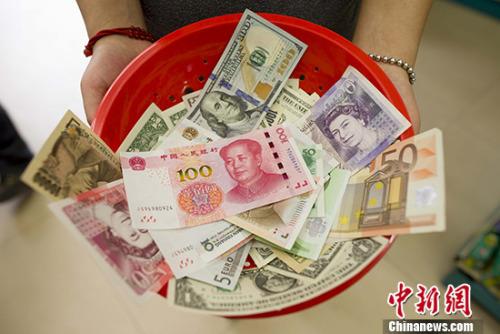
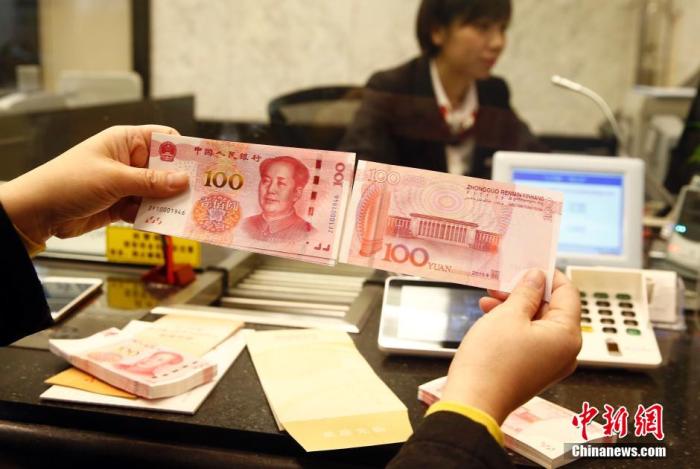
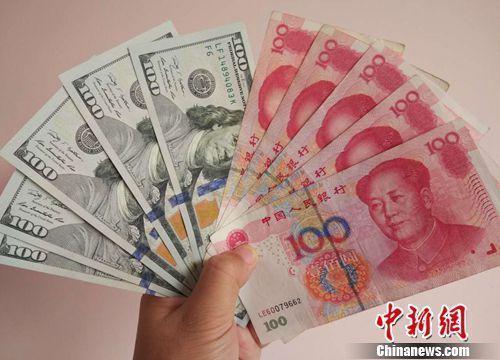
At present, the research and development of "digital RMB" is in the state of "horse racing"

  The rapid popularization of mobile payment makes people have rich reverie about "cashless society". China is the most widely used country of mobile payment in the world, and it is also one of the countries closest to a cashless society. However, only relying on mobile payment can not meet the requirements of the digital finance era, and the concept of "digital currency" with a deeper focus came into being.

  Recently, the relevant person in charge of the People’s Bank of China (hereinafter referred to as the central bank) said in public that the digital currency system is being developed and the "digital RMB era" is coming. Why did the central bank launch the digital currency? What are the connections and differences between digital currency, the central bank, online payment and so-called "virtual currency"?

  What’s different about digital currency?

  At the 3rd China Financial Forty-Person Yichun Forum held recently, Mu Changchun, Deputy Director of the Payment and Settlement Department of the Central Bank, said that the digital currency Research Institute under the Central Bank had started the development of the digital currency system as early as 2018, and digital currency, the central bank, was "ready to go", which subsequently triggered a wide discussion in the Internet and financial circles.

  It is not a temporary move for the central bank to study and issue digital currency. It is reported that from 2014 to now, the research of digital currency, the central bank, has been going on for five years. In 2017, the digital currency Research Institute of the Central Bank was formally established. At present, the Institute has applied for 74 patents involving digital currency technology.

  In recent years, with the development of Internet technology, especially blockchain technology, many so-called "virtual currencies" have emerged around the world, such as Bitcoin and Wright currency, which have been controversial in recent years. So, what is the difference between the digital currency proposed by the central bank and these commercial "virtual currencies"?

  From the perspective of monetary attributes, "virtual currency" such as Bitcoin is not money in essence. Unlike the legal tender issued by the state, "virtual currency" is not supported by national credit. Its speculation is affected by factors such as tight supervision and technical problems, and its price often fluctuates greatly, which greatly interferes with the normal order of the domestic and even global monetary and financial systems.

  From the principle of currency circulation, in order to ensure the orderly operation and macro-control of the financial system, only the state can exercise the highest power of issuing currency. Therefore, digital currency, the central bank, is a legal digital currency issued by the central bank based on national credit, which is essentially different from "virtual currency" such as Bitcoin.

  Can it really replace circulating cash?

  China’s electronic payment is very developed, so why should the central bank introduce the statutory digital currency? "For ordinary people, the boundary between the basic payment function and the central bank’s digital currency is relatively vague, but the central bank’s digital currency in the future is very different from electronic payment in some functions." Mu Changchun said that in the past, the transfer of funds of electronic payment tools had to be completed through traditional bank accounts, while digital currency, the central bank, could realize the value transfer without traditional bank accounts, which greatly reduced the dependence on accounts in the transaction. Generally speaking, digital currency, the central bank, can be as easy to circulate as cash, which is beneficial to the circulation and internationalization of RMB, and can also achieve controllable anonymity.

  It is understood that the existing cash in circulation is easy to be anonymously forged, and electronic payment tools such as bank cards and Internet payment cannot fully meet the public’s demand for anonymous payment. Therefore, the design of digital currency, the central bank, mainly aims at the substitution of cash in circulation, which not only keeps the attributes and main features of cash, but also meets people’s needs for portability and anonymity.

  Wang xin, director of the Research Bureau of the Central Bank and the Bureau of Currency, Gold and Silver, said that the central bank’s digital currency mainly replaces cash to a certain extent in China, which will help to optimize the central bank’s monetary payment function and improve the central bank’s monetary status and the effectiveness of monetary policy.

  From this point of view, the introduction of digital currency by the central bank is neither a popular e-wallet or online payment, nor a complete "reinvention" to replace the existing RMB system, but a brand-new encrypted electronic money system with certain substitution for circulating cash.

  Shao Fujun, chairman of China UnionPay Co., Ltd., said that the statutory digital currency by the central bank will have a great positive impact, which can improve the efficiency of monitoring the currency operation and enrich the means of monetary policy.

  It is reported that digital currency, the central bank, is mainly used for high-frequency business scenarios of small retail. Zhou Xiaochuan, the former governor of the central bank, once pointed out that the essence of studying digital currency is to pursue the convenience, rapidity and low cost of the retail payment system.

  R&D is in the state of "horse racing"

  In recent years, commercial virtual currency has been controversial, and people increasingly realize that the future development trend of digital currency is still the legal digital currency issued by central banks based on national credit.

  It is understood that no central bank in the world has officially launched the statutory digital currency. Many central banks, including the Bank of England, the Bank of Canada and the Bank of Sweden, are developing the legal digital currency. The International Monetary Fund says it plans to launch a global digital currency under the SDR mechanism — — International Monetary Fund currency (IMFCoin).

  At present, China is still in the stage of accelerating research and development in digital currency. For example, the central bank held a working video conference in the second half of 2019 on August 2, demanding "accelerating the pace of R&D in China’s legal digital currency". Recently released "Opinions of the Central Committee of the Communist Party of China and the State Council on Supporting Shenzhen to Build a Pilot Demonstration Zone in Socialism with Chinese characteristics" clearly stated that "innovative applications such as digital currency research and mobile payment are supported in Shenzhen".

  It is understood that in the future, the central bank will not directly issue digital currency to the public, but adopt a two-tier operating system, that is, the central bank will first exchange digital currency for banks or other operating institutions, and then these institutions will exchange it for the public. The central bank has stipulated that digital currency should be piloted in some scenes in the early stage, and then further promoted when it is more mature. Due to prudent consideration, the pilot exit mechanism will be well designed.

  Mu Changchun revealed that at present, the development of digital currency, the central bank, is in a state of "horse racing", and several designated operating agencies adopt different technical routes for research and development. "It’s not necessarily a blockchain, any technology will do. Regardless of blockchain or centralized account system, electronic payment or so-called mobile money, the central bank can adapt to any technical route you take. "